Under a Perpetual Starry Night
Framed like a quiet horror scene, palace enterprise’s first presentation at Market Art Fair unfolds under a perpetual starry night of bronze bread. The exhibition brings together works by Ann Lislegaard, Benedikte Bjerre, Marie Lund, Simon Dybbroe Møller, and Tora Schultz, forming a presentation that moves between sculpture, photography, and light, and examines how material, image, and structure shape perception and agency.
palace enterprise at Market Art Fair, palace enterprise brings together works by Ann Lislegaard, Benedikte Bjerre, Marie Lund, Simon Dybbroe Møller, and Tora Schultz. The presentation reflects the gallery’s programme through sculpture, photography, and light-based works, with attention directed toward material processes and mediation.
Norwegian-born and based in Copenhagen, Ann Lislegaard is known for her experimental animations, sculptures, sound works, and installations using light. For more than three decades, her practice has examined the structures through which we understand the world, often drawing on science fiction to approach questions of language and embodiment. Rather than constructing speculative worlds from nothing, Lislegaard’s works respond to existing systems and genres. Her installations often function as environments that subtly alter the viewer’s sense of space.
-

Ann Lislegaard, 'Algorithms, Remains of a Language', (2025). Photo Oystein Thorvaldsen
In a versatile practice spanning sculpture, video, photography, and installation, Benedikte Bjerre works conceptually with sociological phenomena and observations drawn from everyday life. Central to her work is an interest in how individual works relate to one another and to architecture. Bjerre examines sculptural qualities in relation to site, using familiar forms and materials to shift how surroundings are experienced.
-

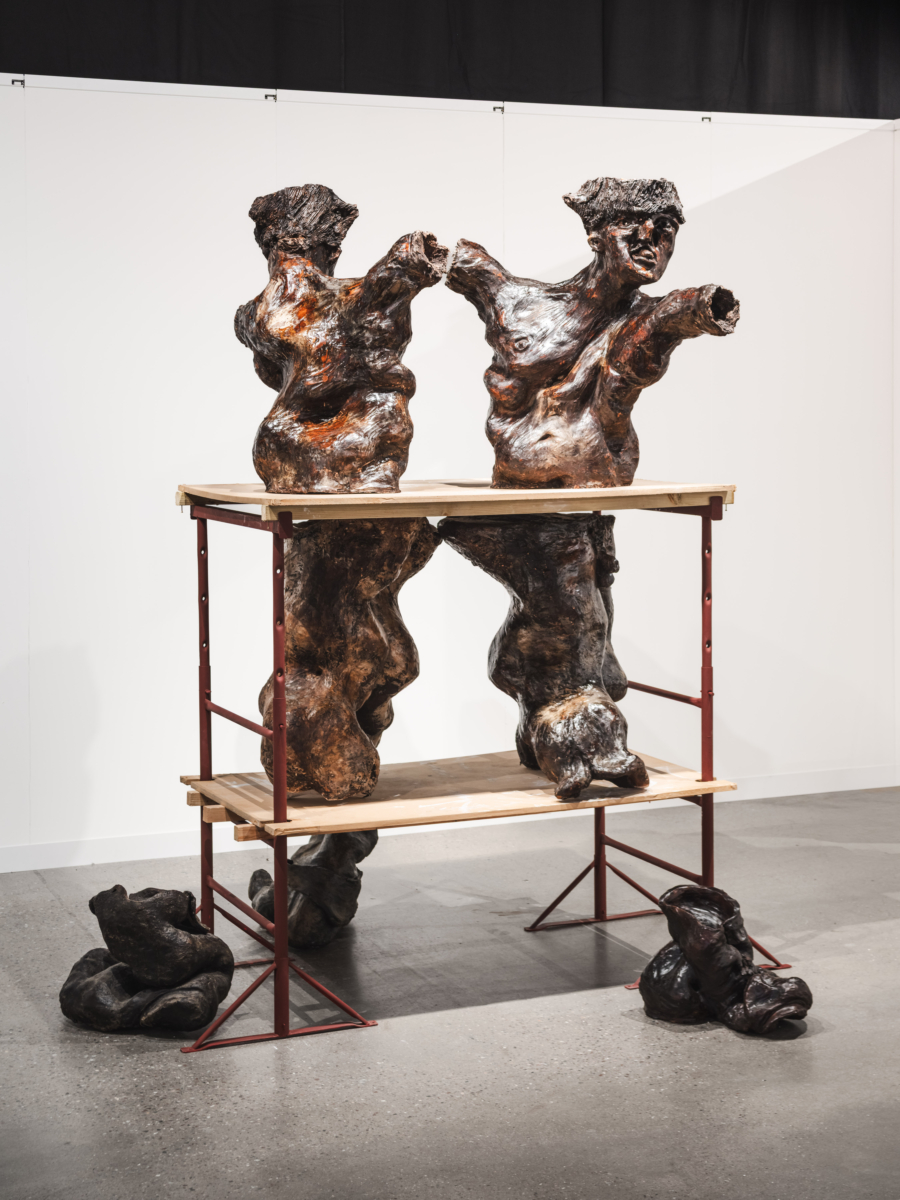
Benedikte Bjerre, 'Starry Night', (2022). Photo Laura Stamer
Marie Lund’s practice is rooted in an investigation of the interdependencies between architecture, space, objects, and bodies. Working with materials that carry traces of previous use, she releases them from their original function and transforms them through tensile processes into abstract sculptural structures. Her works resist sculpture as an autonomous object. Instead, they activate their surroundings and propose forms of openness where space is offered rather than occupied.
-

Marie Lund, 'O ROSE'. Photo David Stjernholm -

Marie Lund, 'O ROSE'. Photo David Stjernholm
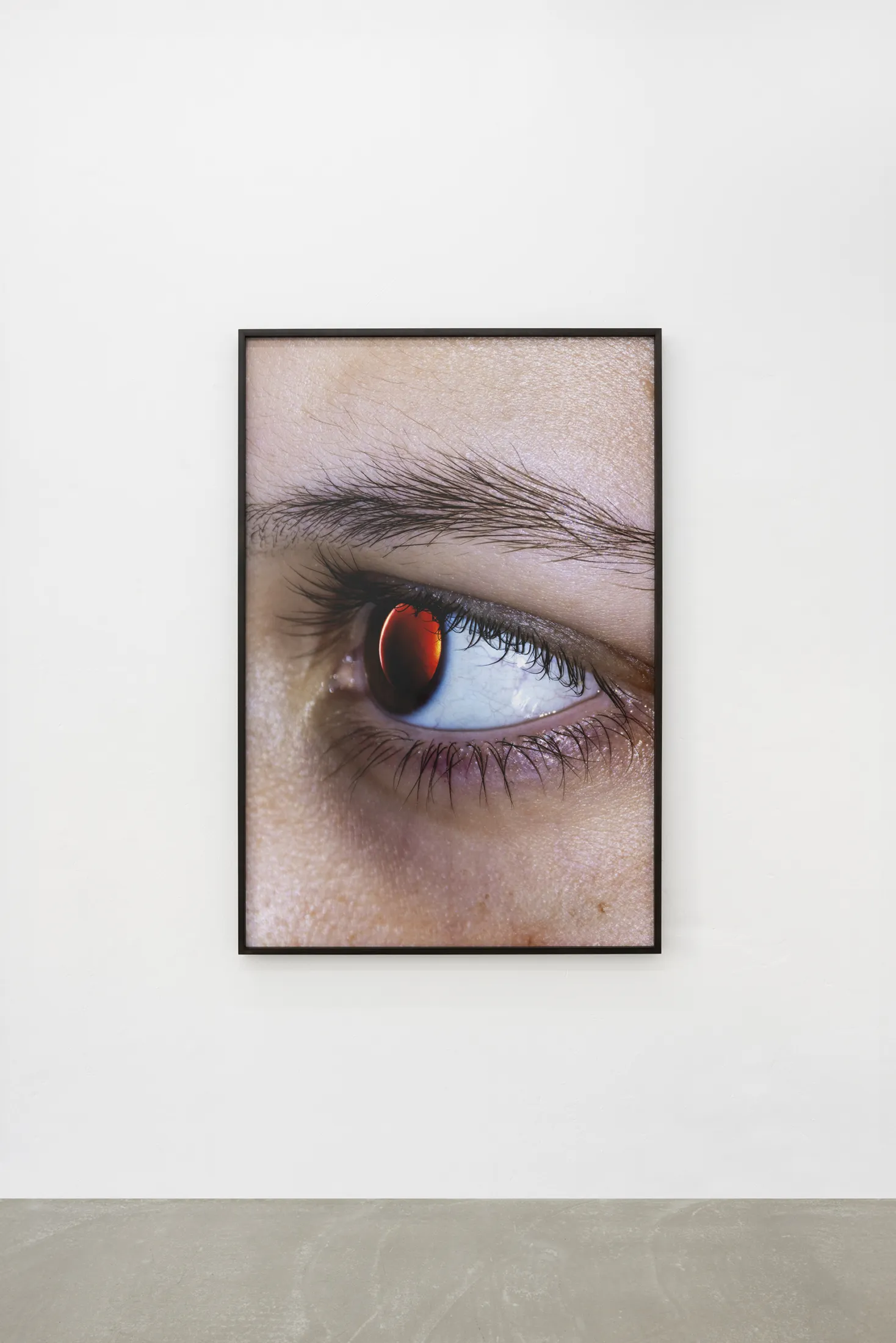
Simon Dybbroe Møller’s work engages with the relationship between the material presence of sculpture and its photographic mediation. Moving between film, photography, found objects, sculpture, writing, and curating, his practice explores what sculpture can be in a world increasingly shaped by images. His work foregrounds relational thinking and reflects on how attention has shifted away from objects toward their representations.
-

Simon Dybbroe Møller, 'Retinal Rift', (2025). Photo Jan Søndergaard
Operating in the intersection between producing and preserving, Tora Schultz works with methods that include shaping, bending, and burning. Her affinity for existing objects is central to her sculptural language, as is her careful attention to hard materials. Schultz exposes internal qualities and functional limits through a restrained insistence on the handmade, allowing material processes to carry meaning without narration.
-

Tora Schultz, 'Tie'. Photo Jan Søndergaard -

Tora Schultz, 'Tie'. Photo Jan Søndergaard
Taken together, these practices are articulated through the presentation itself. The presentation is embraced by a perpetual Starry Night in the shape of bronze breads by Benedikte Bjerre. Tension between material and form emerges through the contrasting properties of the works and the ways in which they are manipulated. Wall-mounted Slips by Marie Lund introduce a restrained physical presence, their tensile qualities underscored in dialogue with Retinal Rift by Simon Dybbroe Møller. The photographic series shows the mechanics of an organic eye recorded by a machine eye, staging an encounter between the mechanical and the human.
These works offer glimpses into an abyss. A shared threshold. An uncanny intelligence. The eyes appear both familiar and wrong, registering things that usually slip by. Blood appears in the image. The body is caught in flow. These reflections surface again in the red neon glow of Algorithms – Remains of a Language by Ann Lislegaard, alluding to algorithms or remains of a language. The Pinocchios by Tora Schultz are bent, shaped, and installed with faces turned inward, elongated noses hidden within the walls. The works evoke the transformation of Carlo Collodi’s brutal nineteenth-century tale into Disney’s sanitised version, reflecting the interplay between physical creation and structural constraint.
Rather than offering resolution, the presentation allows these elements to remain in tension, holding meaning open through proximity and encounter.
Discover gallery

palace enterprise, DK
More stories
Editorial, News
Pushing the Boundaries: Introducing the SEB Discovery Award
What happens when a gallery treats the fair not just as a marketplace, but as an opportunity for new discoveries and to push the…
Editorial, News
Kim Andreas Roland Berger – A Young Norwegian Artist Bringing Nordic Light and Nature into the World
Each year, the Fredrik Roos Foundation awards a grant of SEK 1 million, together with an exhibition at Artipelag. This year’s recipient is Kim…
Collaborations, Editorial
Bonniers Konsthall: 20 Years of Believing in What’s Not Yet Formulated
Since its opening in 2006, Bonniers Konsthall has positioned itself within the Nordic art scene while maintaining an outward-looking perspective, bringing international practices into…
Collaborations, Editorial, Exhibitions
Family – For Better or Worse: Marking 15 Years of Sven-Harrys Konstmuseum
Sven-Harrys Konstmuseum was founded on the idea that art should be lived with, not stored away. Established by builder and collector Sven-Harry Karlsson, the…