The Art Bystander: Roland-Philippe Kretzschmar on NEXT GEN: ART and Art Discovery for a Digital Generation
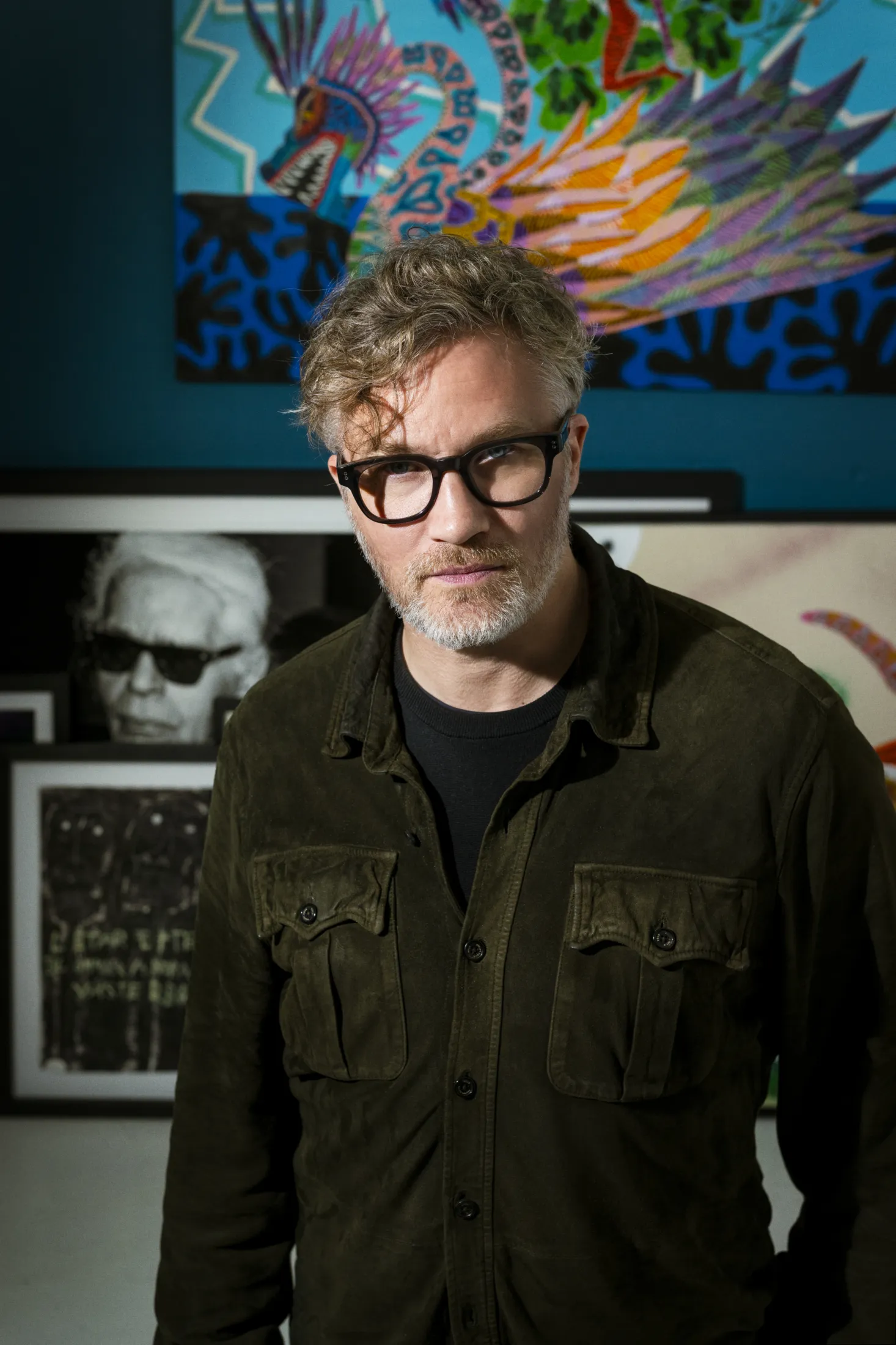
A conversation with Roland-Philippe Kretzschmar on The Art Bystander and art discovery in a digital age.
This year, as part of Market Talks, Roland-Philippe Kretzschmar, founder of The Art Bystander, hosts a takeover exploring how a digitally native generation of artists, gallerists, curators and collectors is reshaping the contemporary art ecosystem.
Three years ago, Roland-Philippe channelled his life-long interest in contemporary art into an Instagram account and podcast under the name The Art Bystander, sharing exhibitions, artists and artworks that caught his attention. His path into the art world, however, was far from linear.
‘I shared art on social media long before The Art Bystander, although then it was more of an inspirational mood board than anything else. My background is very varied and spans journalism, marketing communications, tech, design, fashion, and architecture. I’ve worked as a creative director at agencies, run my own agency and media company, worked as a management consultant in tech, and held senior roles on the client side. So I’ve done many different things, but always close to creativity, ideas, and communication.’
Even before that, art remained present in different ways, since his father was a painter.
‘I started The Art Bystander three years ago, as both a podcast and an Instagram account of the same name. Back then, I really was a bystander to the art world. I was still working full-time outside the art industry, and the whole concept came out of that exact position: looking at art, and at the art world, from the sidelines. I had always had an interest in art without being fully immersed in that world, so in a way I had always observed it from the outside. practice, since I have the media platform, advisory business and work with galleries, institutions and commercial brands in art. But I still try to maintain that perspective, because distance can also be a form of clarity.’
“Back then, I really was a bystander to the art world.”
Over the past three years, the platform has grown to more than 200,000 followers and developed a wide international audience.
‘My audience is extremely varied. More than half of my followers are in the US – of course in cities like New York, Los Angeles, and Miami, but also in smaller places – and they respond very differently from Scandinavian or Central European audiences. I also see clear differences across age groups. I typically get a lot of engagement from younger people, and often more support from audiences outside Scandinavia. I am very conscious of the differences within my audience. That probably comes from having worked for a long time in communications, marketing and digital. I know how to read analytics, but more importantly, how to translate data into something meaningful without becoming enslaved by it.’
Kretzschmar believes the account resonates particularly with audiences who are native to digital culture.
‘I think part of the reason the account has grown is that it genuinely engages people who are native to digital culture – often a younger generation that has grown up with social media and online platforms as a given. What I see very clearly is that they are not only used to liking or commenting on posts. They discover artists online, purchase art online, network online, buy and sell online. They use digital platforms not just for inspiration, but as an actual infrastructure for how they move through the art world. So there is absolutely a next-generation perspective in that.’
At the same time, he is conscious of the differences between encountering art online and experiencing it physically. His work on Instagram and Substack therefore often operates as an editorial lens on exhibitions taking place elsewhere, translating physical encounters into images and reflections that circulate online.
‘I present photographs, video, and other forms of documentation from exhibitions. And of course that kind of presentation is limited, because we all know that experiencing art in real life is completely different from seeing a thumbnail-sized image on Instagram. But that does not make the digital encounter irrelevant. It just makes it another kind of encounter – mediated, partial, and sometimes surprisingly powerful in its own right.’
For younger audiences, however, that distinction between digital and physical space may be becoming less pronounced.
‘Fifteen or twenty years ago, when I started working professionally with social media, people often said that social media wasn’t real. I always replied: of course it’s real. It is just a different perception of reality. That shift has also changed how I think about authorship and curation. In digital space, framing, selection, sequencing and context are not secondary to the work – they become part of its meaning.’
“That shift has also changed how I think about authorship and curation. In digital space, framing, selection, sequencing and context are not secondary to the work – they become part of its meaning.”
For many platforms visibility is driven by metrics and performance indicators. Roland-Philippe, however, describes a more intuitive editorial approach.
‘I would say that everything I try to do is in service of the art. The more reach I have, the more projects I can do, and the more people I can engage in art. That is ultimately the reason I do this. I genuinely believe that art has a role to play in society: to heal, to inspire, to engage, to question, to uplift, to enrage. Art is a catalyst for growth. It moves people, opens something in them, and shifts perception. So anything I can do that contributes to that – rather than simply feeding the platform for its own sake – feels worthwhile to me.’
‘My curatorial vision is very intuitively driven when it comes to what I publish on my editorial platforms. It is really an extension of my taste, my curiosity, and the kind of art that resonates with me. Sometimes, of course, I publish major exhibitions or developments in the art world simply because they are important news. And especially on Substack I write in a more analytical mode – about the art market, auction results, price points, and so on. In those cases I work as a journalist, trying to inform, educate, and engage my audience. But I don’t adapt the editorial direction in any fundamental way based on audience behaviour. Negative feedback does not make me change course.’
Still, he is attentive to how audiences respond to different kinds of content.
‘I often think about what kind of content people engage with most consistently, and what tends to underperform even when it feels conceptually strong. I have constant debates with myself about exactly that. What underperforms most often is content that is very local, or anything tied to a context that is not immediately legible to a broader audience. The same is often true of artists who are not yet household names, although there is a genuine curiosity among my audience to discover new art. And yet those posts matter to me. I don’t want only to circulate what is already visible, validated, or easy to recognise. I want to communicate art in many different ways, and to give space to many different kinds of practices. That is why there is such a variety of content on the platform. Of course, I also know what tends to resonate extremely well. Very often it’s famous artists – or famous artists with their pets – which I still find funny, and also very revealing.’
Ultimately, the project remains driven by a desire to expand the audience for contemporary art, and at the fair his takeover in the talks programme will signify and reflect this vision. Taking Stockholm’s identity as a city of technology, design and innovation as its point of departure, the programme explores how a new generation of artists, curators, gallerists and collectors is reshaping the structures around contemporary art.
The shift is not only generational in age, but also in method. Galleries are becoming more agile, international and multi-platform. Artists navigate physical and digital visibility simultaneously. Curators increasingly build publics, platforms and research contexts – not only exhibitions. Collectors discover, learn about and acquire work through a wider range of channels than before.
The symposium asks what happens when the art world moves across booths, studios, feeds, newsletters, private rooms, fairs and communities all at once.
Rather than treating disruption as a slogan, NEXT GEN: ART focuses on what is actually changing on the ground: how work circulates, how trust is built, how money and attention move, and what new business models, collaborations and support structures are emerging.
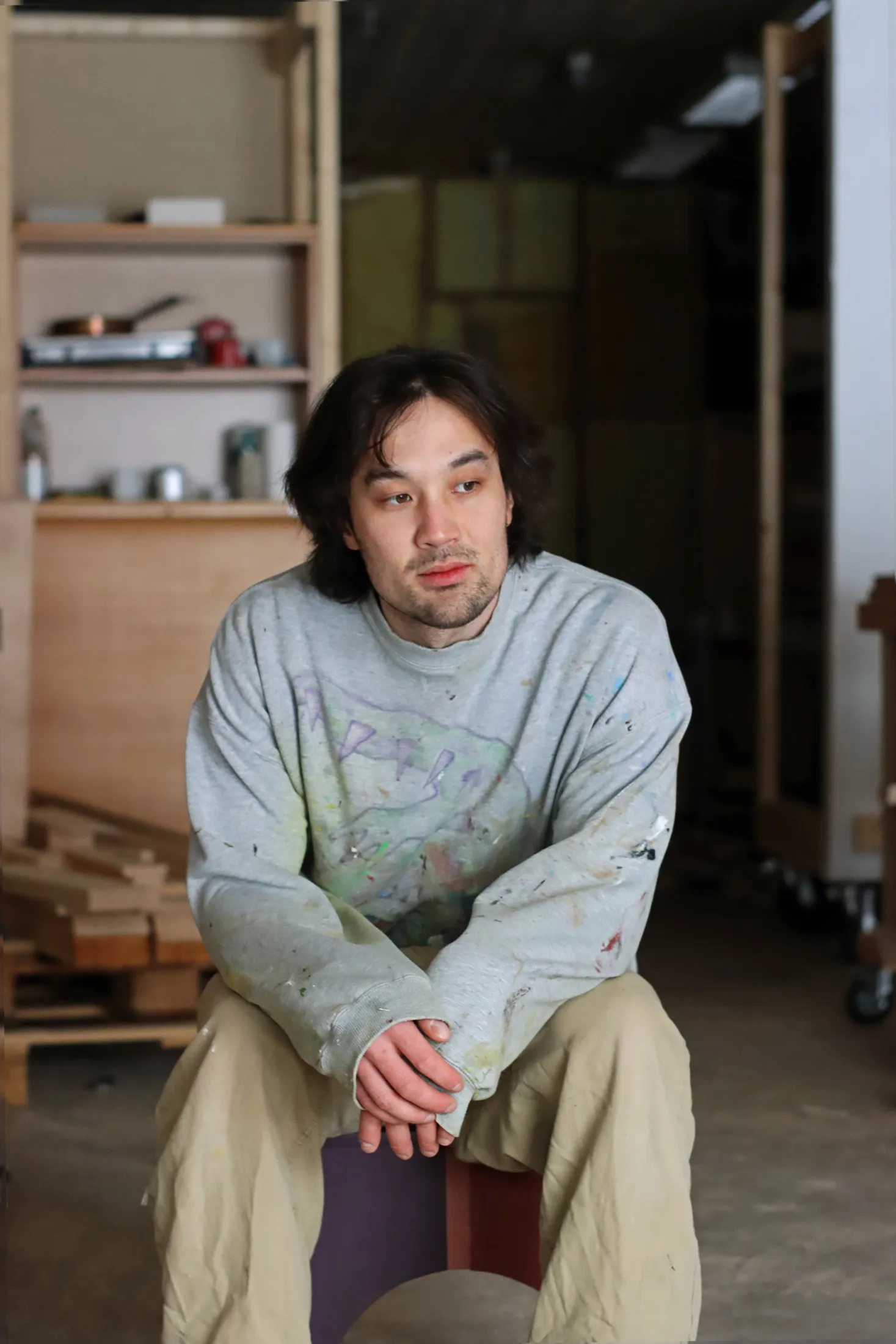
New Roles, New Circulation
The first conversation looks at how artists, curators and gallerists are working in a landscape shaped by digital platforms, new forms of visibility and increasingly international networks.
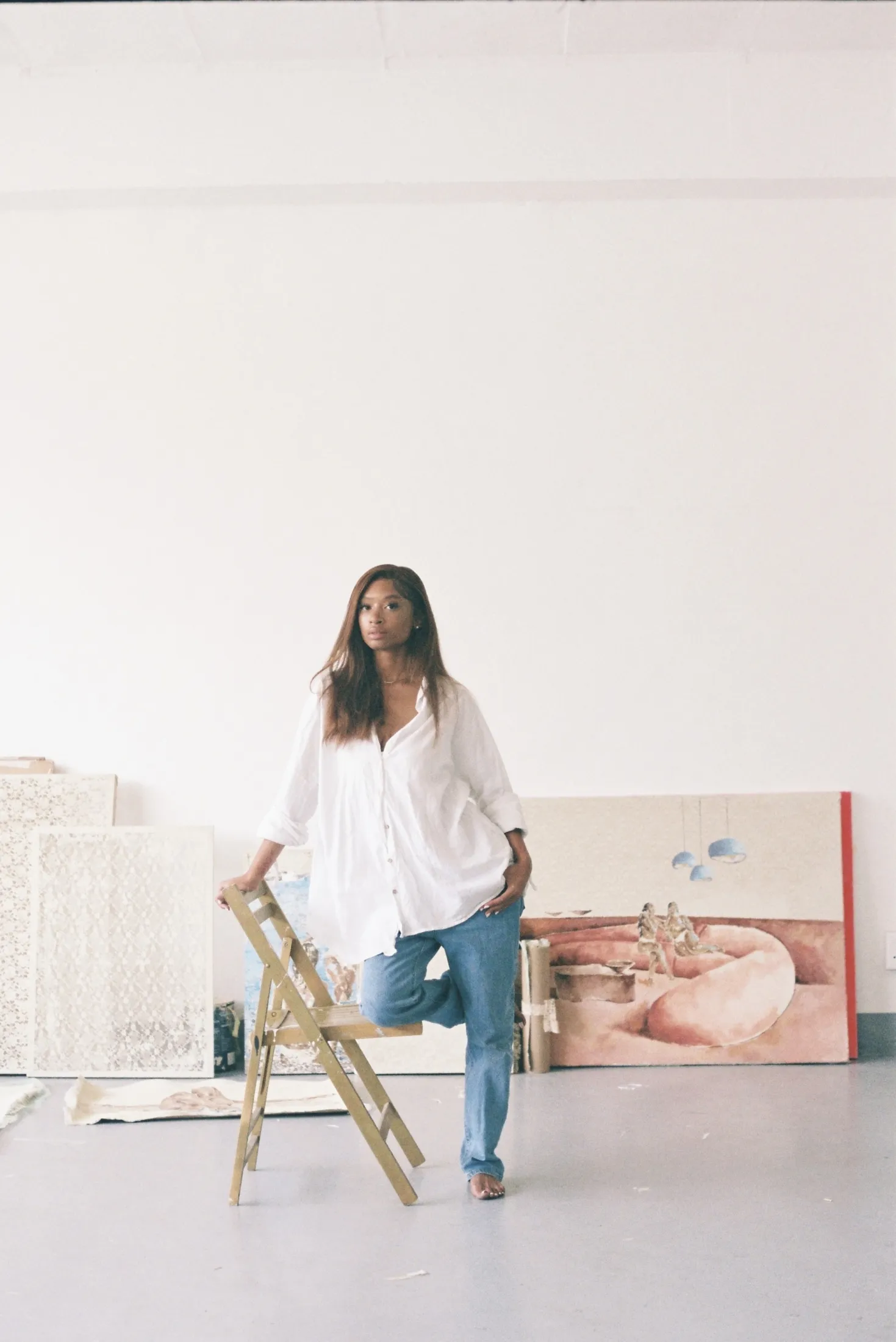
The New Contract
Hybrid business models, collectors and the future ecosystem. The second conversation turns to the broader structures supporting the art world.
More stories
Editorial, News
Pushing the Boundaries: Introducing the SEB Discovery Award
What happens when a gallery treats the fair not just as a marketplace, but as an opportunity for new discoveries and to push the…
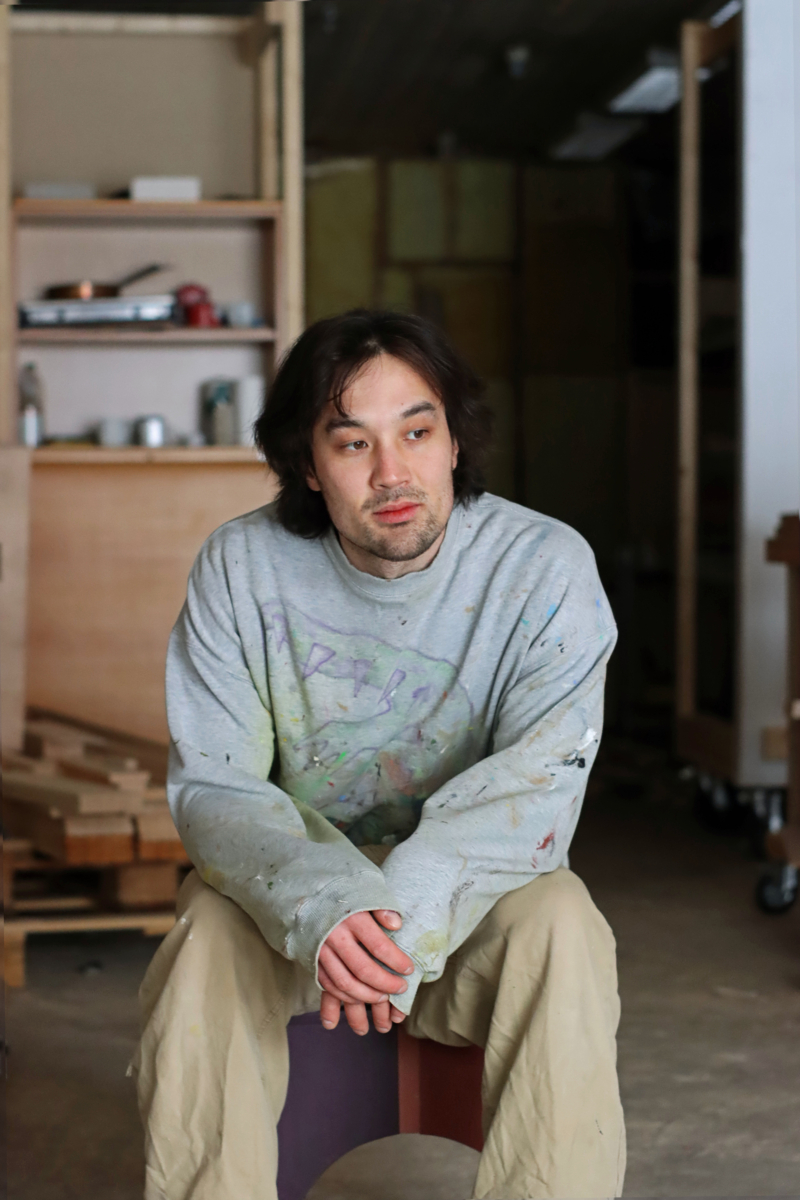
Editorial, News
Kim Andreas Roland Berger – A Young Norwegian Artist Bringing Nordic Light and Nature into the World
Each year, the Fredrik Roos Foundation awards a grant of SEK 1 million, together with an exhibition at Artipelag. This year’s recipient is Kim…
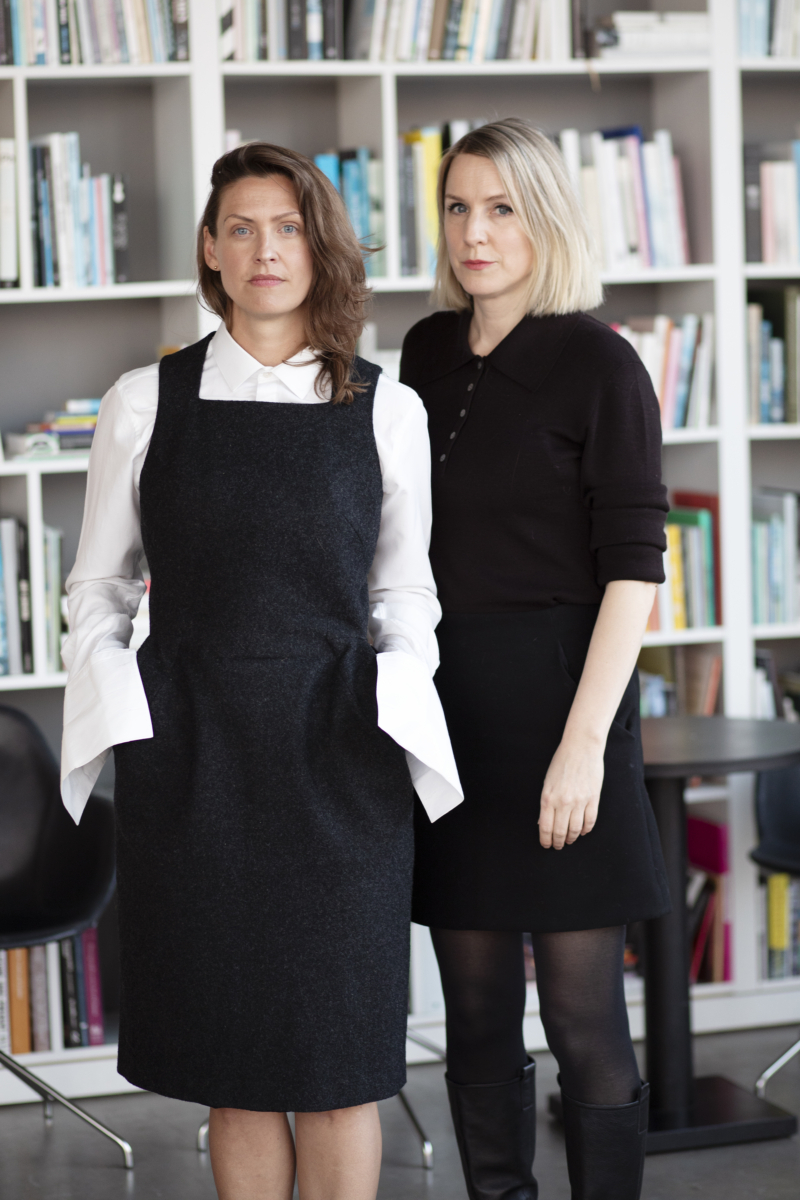
Collaborations, Editorial
Bonniers Konsthall: 20 Years of Believing in What’s Not Yet Formulated
Since its opening in 2006, Bonniers Konsthall has positioned itself within the Nordic art scene while maintaining an outward-looking perspective, bringing international practices into…
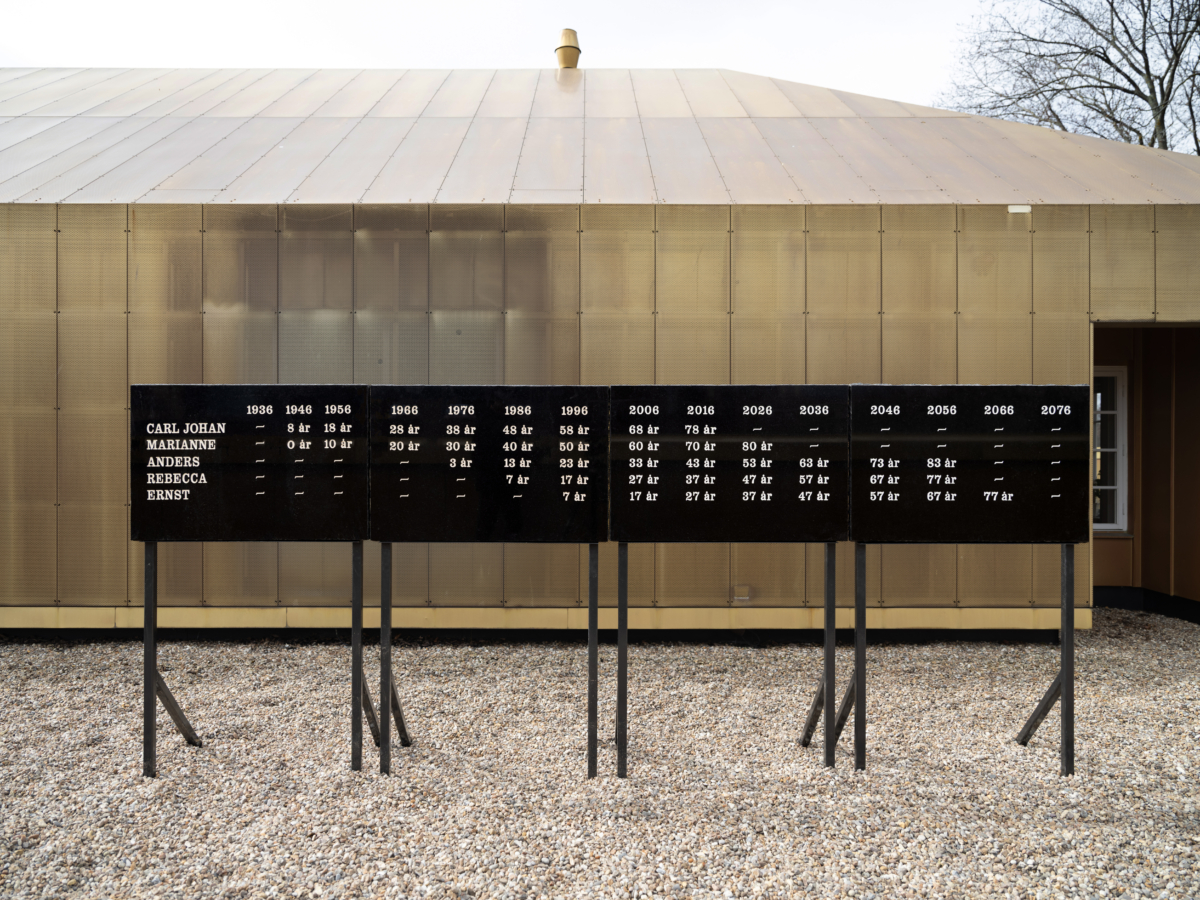
Collaborations, Editorial, Exhibitions
Family – For Better or Worse: Marking 15 Years of Sven-Harrys Konstmuseum
Sven-Harrys Konstmuseum was founded on the idea that art should be lived with, not stored away. Established by builder and collector Sven-Harry Karlsson, the…