Family – For Better or Worse: Marking 15 Years of Sven-Harrys Konstmuseum
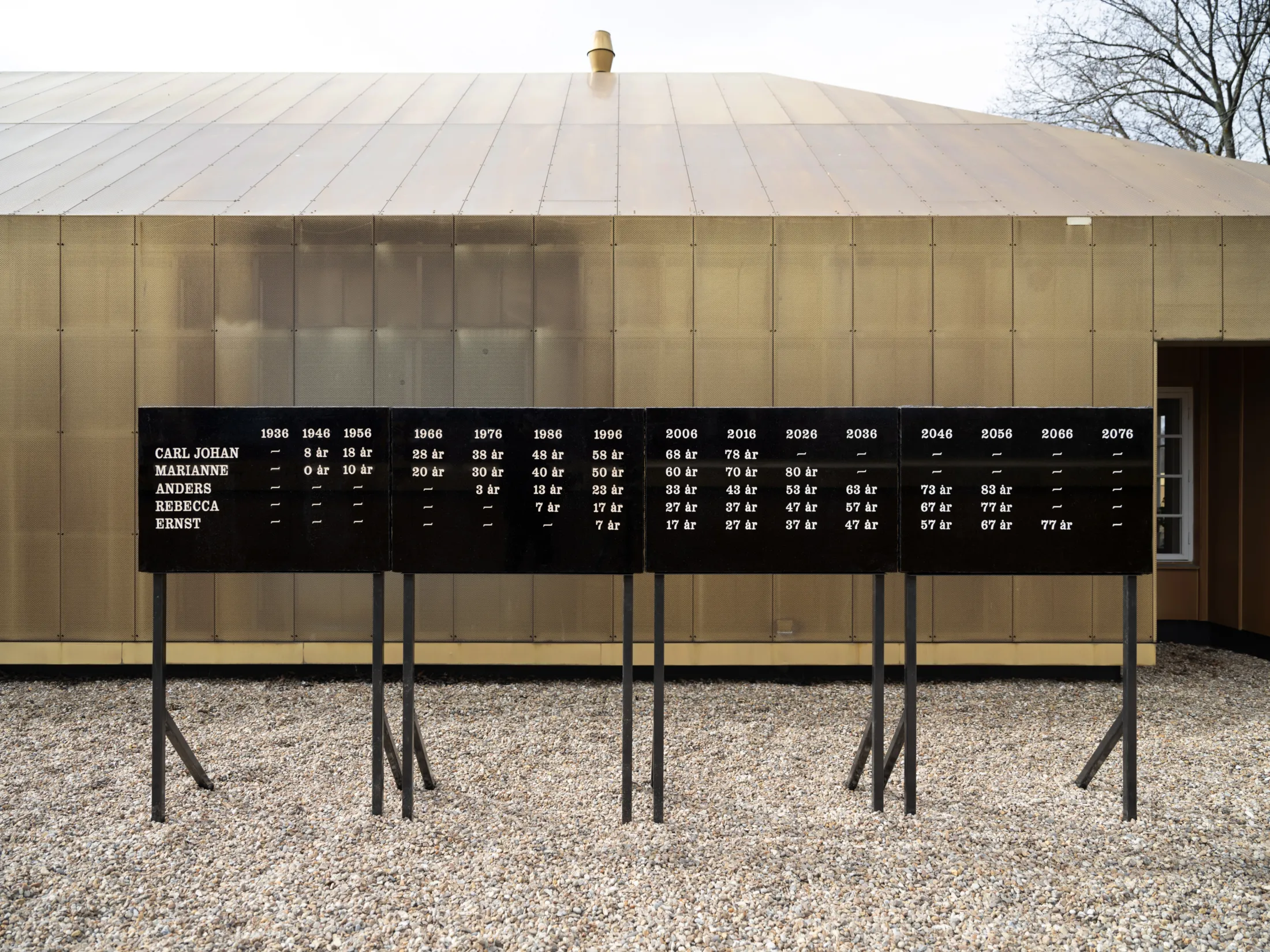
Sven-Harrys Konstmuseum was founded on the idea that art should be lived with, not stored away.
Established by builder and collector Sven-Harry Karlsson, the museum opened on 27 March 2011 in a golden building designed by Gert Wingårdh and Anna Söderberg in Vasaparken, Stockholm. The 400-square-metre gallery consists of three large exhibition halls. On the roof, a replica of Karlsson’s former home, the 18th-century manor Ekholmsnäs, forms a more intimate setting for the collection. Surrounded by a terrace with sculptures, it houses one of Sweden’s largest private collections of Nordic art, with a particular emphasis on works by Carl Fredrik Hill.
Over the past 15 years, the museum has developed into a distinct voice within the cultural landscape. As Dragana Kusoffsky Maksimovic, Director and CEO of Sven-Harrys Konstmuseum, explains:
‘Several developments have been particularly formative: building an ambitious and diverse exhibition programme, strengthening collaborations with artists and institutions both in Sweden and internationally, and addressing contemporary themes whilst remaining rooted in Sven-Harry’s collection and vision. A key decision has been to consistently create exhibitions that connect historical and contemporary art, allowing works from different periods to enter into dialogue with one another. This approach has helped shape the museum’s identity and kept us relevant.’
-
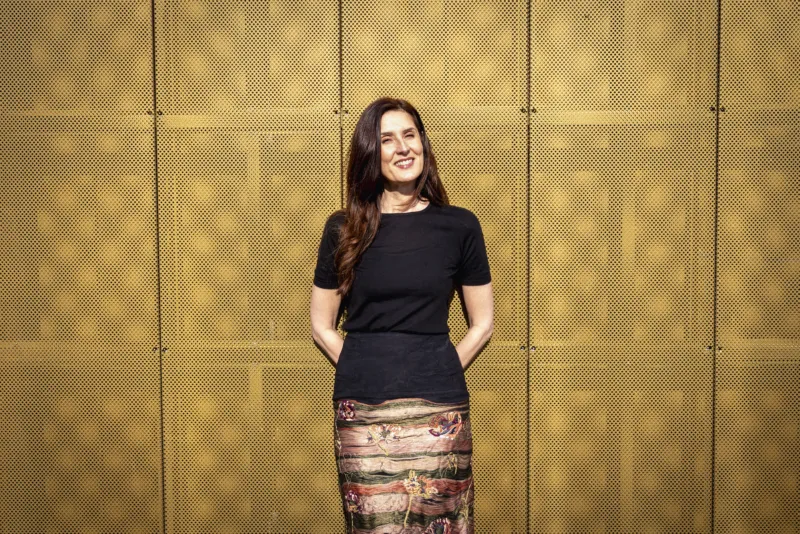
Dragana Kusoffsky Maksimovic
She continues:
‘Sven-Harry believed strongly in the power of art to enrich people’s lives. His vision was to create a place where art, design, craft, architecture and everyday life could meet in a natural and inclusive way. He became one of Sweden’s leading master builders, known for creating sustainable family homes, and assembled one of the country’s finest private art collections – a collection he ultimately chose to give away in its entirety. For Sven-Harry, it was all connected, rooted in a deeply humanistic outlook. That idea still guides the museum today. The building itself reflects this vision, combining exhibition spaces with a replica of his home and collection to create a more intimate and distinctive encounter with art. Our exhibitions continue to build on Sven-Harry’s humanistic perspective, presenting art that speaks to both personal experience and broader cultural questions.’
In the current exhibition at Sven-Harrys Konstmuseum, ‘Family – For Better or Worse’, this perspective is brought into focus. The exhibition examines how identities and personal histories are shaped by family – a concept both universal and deeply complex.
-
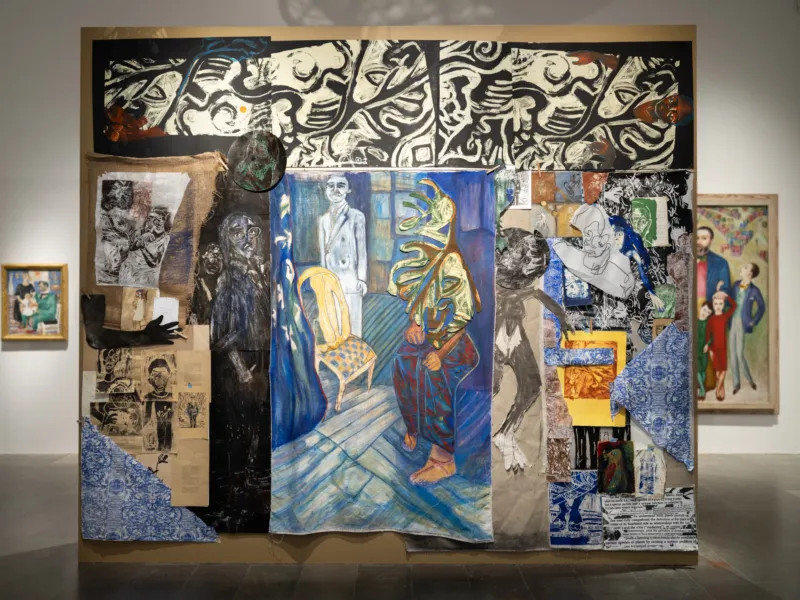
Kayo Mpoyi, 'Ett familjeträd', (2025–2026). Photo Mattias Lindbäck
Families are fundamental to human life, shaping who we are and how we move through the world. It is a theme that returns repeatedly, raising the same questions across time. Initiated by Kusoffsky Maksimovic, the exhibition reflects this continuity:
‘This year marks fifteen years since Sven-Harry Karlsson opened the museum and his collection to the public, and the exhibition feels especially meaningful in that context. Family – For Better or Worse speaks directly to one of the museum’s core ideas: that art should remain close to life and to human experience. By focusing on family – something that touches all of us – the exhibition connects personal experience with artistic expression across time.’
‘It is also significant on a personal level. Earlier this year, we lost Sven-Harry, the founder of the museum. The theme of family felt like a natural way to reflect on the emotional ties that shape our lives, something he often spoke about. He was open about his difficult childhood and found refuge in art, in artists such as Hill, Schjerfbeck, Strindberg and Josephson, who made him feel at home. In that sense, the exhibition not only marks the museum’s fifteenth anniversary but also becomes a tribute to Sven-Harry himself. My hope is that it will reveal the complexity of family relationships while also creating a sense of recognition and connection – because in different ways, we all carry our family histories with us, whether we want to or not.’
-
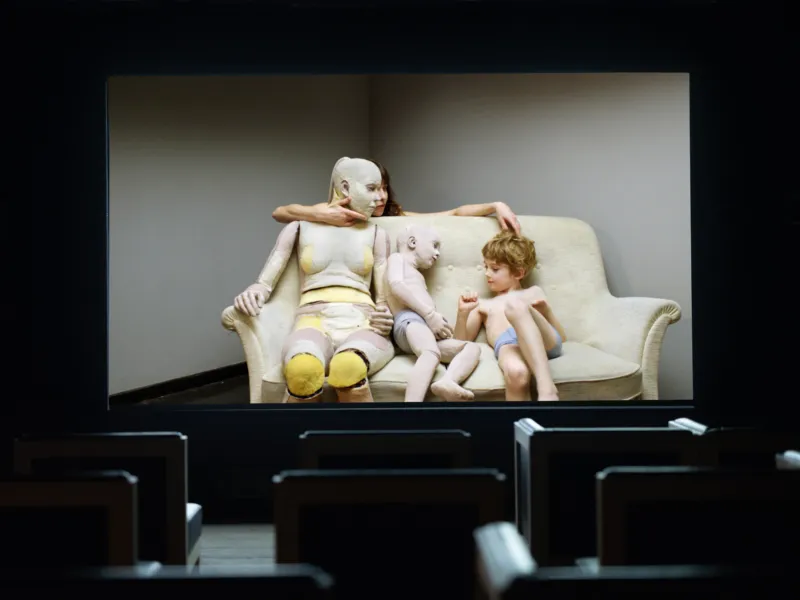
Anna Odell, 'Makten och barnet', (2025). Photo Mattias Lindbäck.
The exhibition brings together 49 artists and 81 works spanning two centuries, exploring family as a site of closeness, tension and vulnerability. As Kusoffsky Maksimovic notes:
‘The exhibition began to take shape around the idea of family as a universal yet deeply complex experience, something that affects all of us, whether we want it to or not. From the outset, we wanted to explore how artists across different periods have addressed family relationships: as a place of belonging and closeness, but also of tension, vulnerability and sometimes abandonment. We were also interested in how family relationships shape the lives of artists themselves, and how those experiences are often channelled into their work.
Despite major shifts in society and artistic expression, many of the emotional themes surrounding family remain strikingly constant. In the selected works, we kept discovering the same fragilities and the same bonds, regardless of time and expression. Ultimately, my hope is that visitors will recognise something of their own stories in the works, because although our experiences differ, we all carry our family histories with us, and in art those stories can meet and perhaps even connect us.’
-
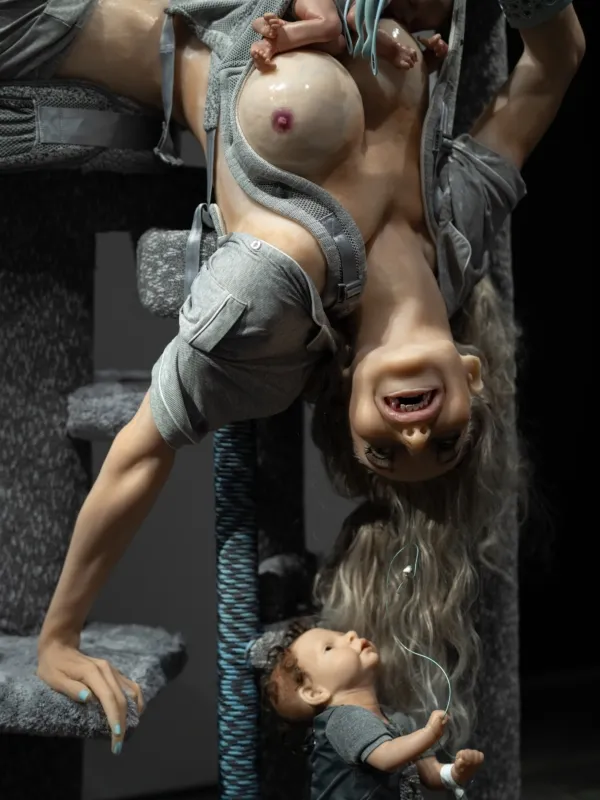
Cajsa von Zeipel, 'Covered in Me' (2023). © Cajsa von Zeipel / Bildupphovsrätt 2026 Photo Mattias Lindbäck -
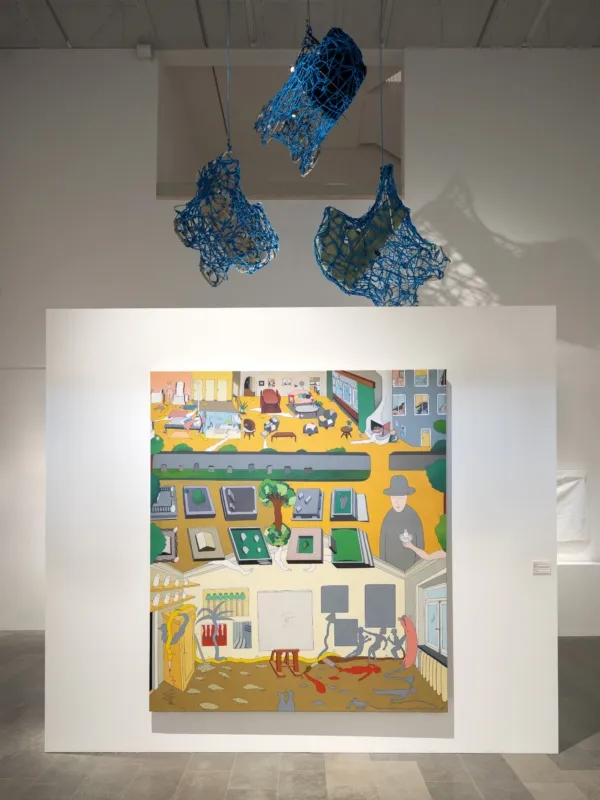
Marie-Louise Ekman, 'Min mammas lägenhet, min pappas grav och min ateljé', (2001–2008) and Leif Holmstrand, 'Barnvagnar', (2026). Photo by Mattias Lindbäck
Dragana Kusoffsky Maksimovic has curated the exhibition together with Magnus af Petersens, who is also part of Market Art Fair’s Selection Committee.
‘We have chosen art that we felt had something to say, or that is simply moving and strong, so it has been a rather intuitive process. We didn’t set out with a specific argument but rather wanted to create an assemblage of different ways of relating to and expressing the complex aspects of family – some warm and loving, others more troubled. Often, the feelings they mirror or evoke are mixed.’
With a focus on artists based in Sweden, the exhibition moves between historical and contemporary perspectives. As af Petersens continues to explain:
‘As the focus is on contemporary art by artists based in Sweden, we can see examples of how the family is regarded in our own times. This can be compared with the works of Carl Larsson, which depict family life in his and Karin Larsson’s home, Lilla Hyttnäs, where the children are often playing and at the centre of attention – something quite new at the time and inspired by Ellen Key’s ideas. At the same time, it was a rather idyllic vision of the family.
-
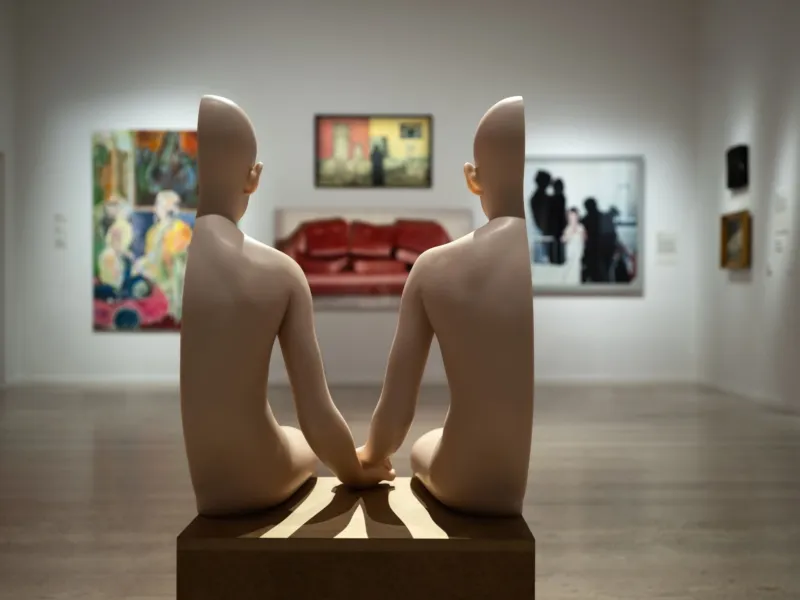
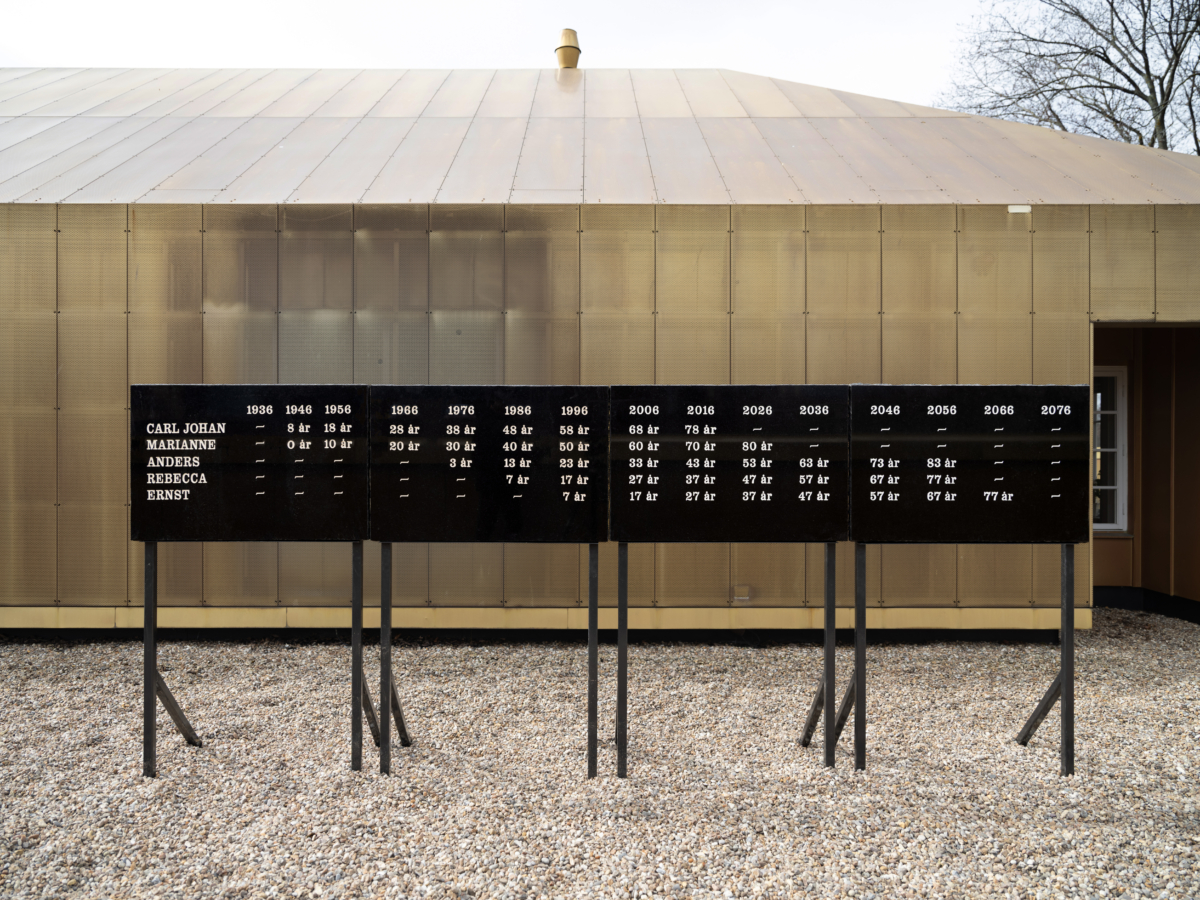
Anders Krisár, 'Untitled', (2014–2015). Photo Mattias Lindbäck
Later, with the second wave of the women’s movement, artists like Anna Sjödahl began making work that also showed less idealised everyday family situations. Contemporary artist Sixten Sandra Österberg paints queer family constellations that would not have been accepted a few generations ago – and are still questioned by some.’
‘Family – For Better or Worse’ is on view until 13 September. During the fair week, the exhibition offers a moment to step outside the fair. Here, works by Nordic contemporary artists such as Marie-Louise Ekman, Helene Billgren, Jan Håfström and Karin Mamma Andersson are shown alongside Swedish masters including Siri Derkert, Carl Larsson, Ivar Arosenius and Nils Dardel.
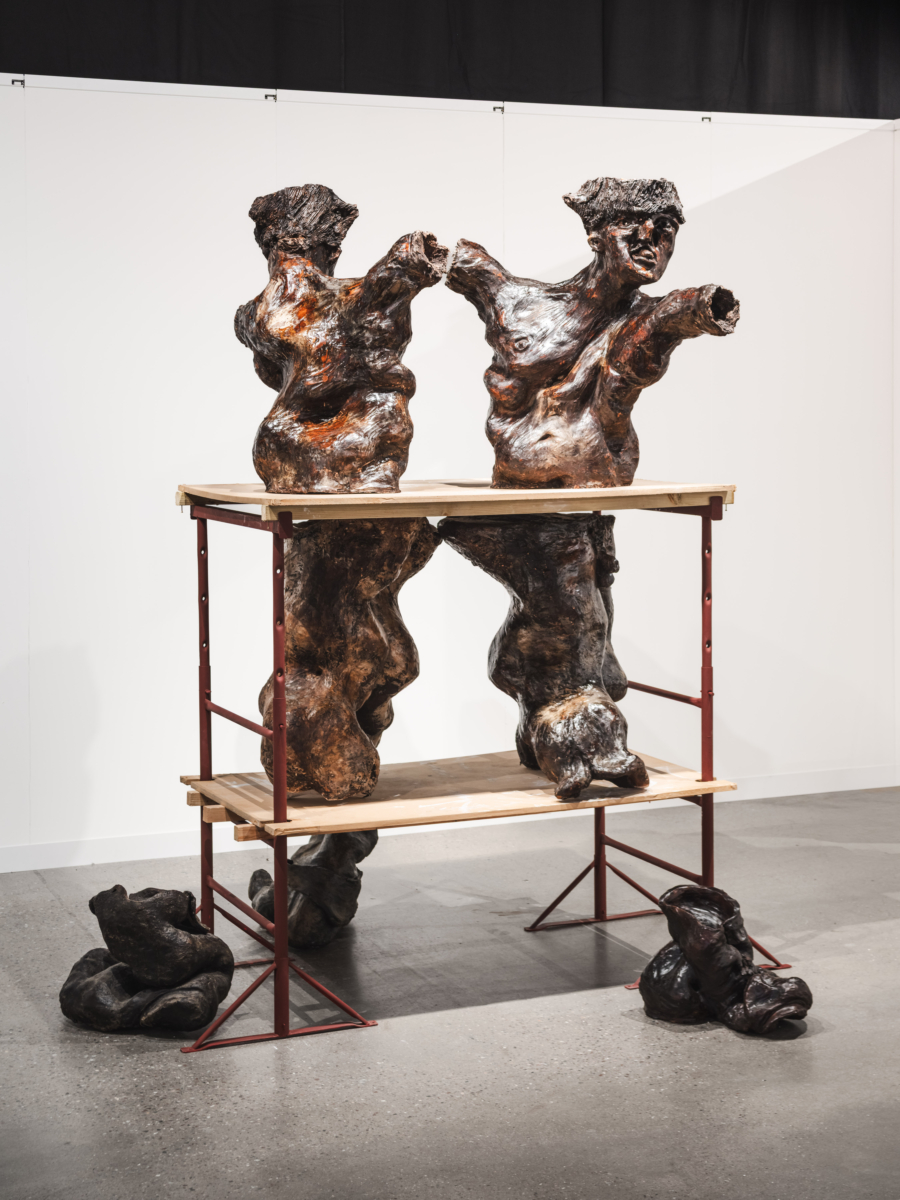
Editorial, News
Pushing the Boundaries: Introducing the SEB Discovery Award
What happens when a gallery treats the fair not just as a marketplace, but as an opportunity for new discoveries and to push the…
Editorial, News
Kim Andreas Roland Berger – A Young Norwegian Artist Bringing Nordic Light and Nature into the World
Each year, the Fredrik Roos Foundation awards a grant of SEK 1 million, together with an exhibition at Artipelag. This year’s recipient is Kim…
Collaborations, Editorial
Bonniers Konsthall: 20 Years of Believing in What’s Not Yet Formulated
Since its opening in 2006, Bonniers Konsthall has positioned itself within the Nordic art scene while maintaining an outward-looking perspective, bringing international practices into…
Collaborations, Editorial, Exhibitions
Family – For Better or Worse: Marking 15 Years of Sven-Harrys Konstmuseum
Sven-Harrys Konstmuseum was founded on the idea that art should be lived with, not stored away. Established by builder and collector Sven-Harry Karlsson, the…